
Roof Leak Repair in Ocala — Professional Leak Detection & Targeted Repair
A roof leak rarely starts where the stain appears. Water travels along underlayment, rafters, and decking before becoming visible inside your home. Our Roof Repair Ocala FL Group company traces every leak to its actual source — whether it originates at a failed flashing joint, a deteriorated pipe boot, a compromised valley, or aging underlayment — and applies a targeted repair that addresses the root cause.
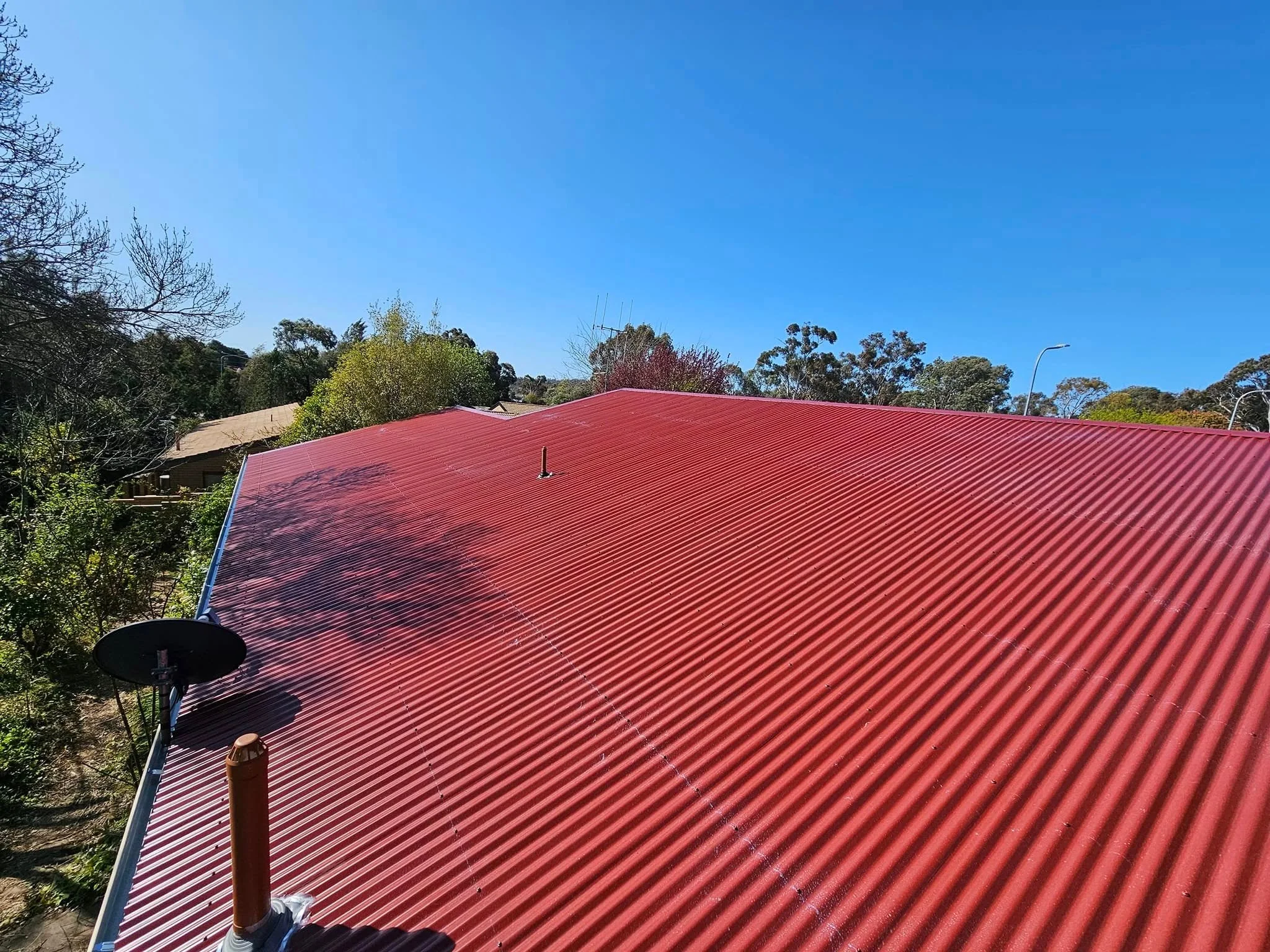
Signs Your Ocala Roof May Be Leaking
Roof leaks in Central Florida often go unnoticed until water has already traveled well beyond the original entry point. These signs suggest a professional inspection is warranted.
Brown or yellowish stains on ceilings or upper walls
Water stains appearing on interior surfaces typically indicate moisture is entering through the roof and traveling along structural members before saturating the ceiling material. The stain location often does not correspond directly to the entry point on the roof above.
Dripping or moisture in the attic after rain
If you can safely access your attic, look for damp insulation, wet rafters, or active dripping after rainfall. In Ocala's humid climate, distinguishing between a roof leak and condensation sometimes requires a trained eye and moisture testing equipment.
Leaks that appear only during wind-driven rain
When water enters only during storms with a specific wind direction, the failure point is typically at a flashing joint, roof-to-wall transition, or poorly sealed penetration that functions adequately during vertical rainfall but admits water when it is pushed sideways by wind.
Musty odors or mold growth near upper walls
Persistent musty smells in specific rooms can signal ongoing moisture behind the wall assembly. In Ocala's humidity, even a slow, intermittent leak can create enough moisture to support mold growth in enclosed spaces between the roof structure and interior finishes.
Leak Indicators You Can Spot Without Climbing
Check ceilings after heavy rainfall
New stains, bubbling paint, or damp spots on ceilings — especially after Ocala's seasonal downpours — suggest active water entry somewhere above.
Inspect attic insulation for moisture
If safely accessible, look for compressed, discolored, or damp insulation batts. Wet insulation loses its thermal value and indicates ongoing moisture intrusion from above.
Look for exterior wall staining below the roofline
Dark streaks or discoloration on exterior walls just below the roof edge may indicate water running behind failed flashing or drip edge rather than draining into the gutter system.
Where Roof Leaks Actually Originate
Understanding where leaks commonly start helps explain why the source is often not directly above the visible stain. Each of these areas requires a different repair approach.
Failed Flashing
Step flashing, counter flashing, and valley flashing redirect water at vulnerable transition points. When these details corrode, lift, or lose their sealant, water enters behind otherwise intact roofing materials.
- Corroded or lifted metal
- Separated wall joints
- Dried sealant at transitions
Damaged Pipe Boots
Rubber seals around plumbing vent penetrations deteriorate under Central Florida's UV exposure and heat. A cracked or split pipe boot creates a direct water path into the roof structure around the vent pipe.
- Cracked rubber collar
- Separated base flashing
- Staining near bathrooms
Compromised Valleys
Roof valleys collect and channel the highest volume of water during storms. Debris accumulation, corroded valley metal, or deteriorated underlayment beneath the valley can allow water through even when the surrounding roof surface looks intact.
- Debris in valley channels
- Corroded valley metal
- Leaks during heavy rain
Underlayment Failure
On older Ocala tile roofs especially, the underlayment beneath the tiles serves as the primary moisture barrier. When this layer deteriorates from age and heat exposure, water passes through even when every tile appears properly seated.
- Leaks with intact tile surface
- Brittle or cracked felt
- Multiple ceiling stains
Chimney & Skylight Seals
Penetration points like chimneys, skylights, and solar tubes experience thermal movement and UV degradation. Failed counter flashing or dried perimeter sealant allows water to trickle down interior walls.
- Loose counter flashing
- Degraded caulking seals
- Stains around chimney base
Ridge Caps & Roof Vents
Exhaust vents and ridge cap shingles receive direct storm exposure. Wind-driven rain can push beneath unsealed ridge caps or enter cracked plastic vent housings during Central Florida squalls.
- Lifted ridge cap shingles
- Cracked plastic vent caps
- Exposed cap fasteners
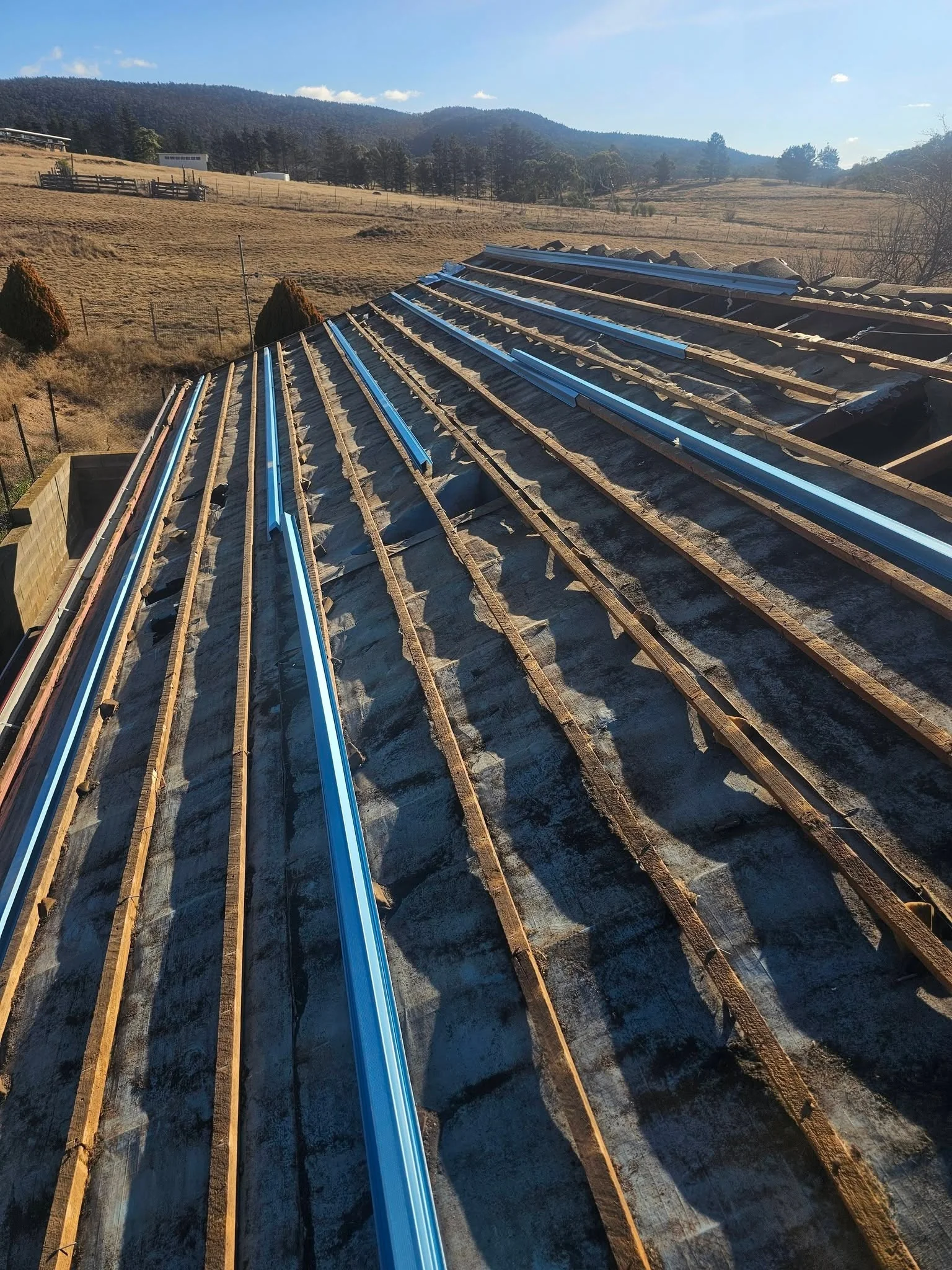
Why Leak-Source Tracing Matters More Than Surface Patching
One of the most common mistakes in addressing a roof leak is applying sealant or roofing cement over the area directly above the interior stain. While this may stop water entry temporarily, it often misses the actual point where water first enters the roofing system.
Water can travel several feet along underlayment, rafters, or trusses before saturating the ceiling below. A repair applied to the wrong location provides a false sense of resolution while the actual failure point continues to admit water during every rain event.
Our leak detection process in Ocala starts from the interior stain and works outward — examining the attic space, following moisture trails, and testing suspected entry points on the roof surface. Once the actual source is confirmed, we apply a repair matched to the specific failure — whether that means replacing a section of flashing, installing a new pipe boot, or addressing deteriorated underlayment.
How We Trace and Repair Roof Leaks
Interior Assessment and Moisture Mapping
We examine the visible stain, check the attic space where accessible, and map moisture patterns to establish the likely water-travel path from the roof entry point to the interior surface.
Roof Surface Inspection
Following the moisture trail, we inspect the roof surface above and upslope of the stain — examining flashing, penetrations, valleys, transitions, and roofing materials for signs of failure, deterioration, or previous improper repairs.
Source Confirmation and Documentation
We confirm the leak source with targeted testing when needed, photograph all findings, and document the condition of surrounding components. This documentation supports the repair recommendation and provides a clear record for the property owner.
Targeted Repair and Verification
The repair is matched to the specific failure — corroded flashing replaced, degraded pipe boot installed, damaged underlayment addressed, or compromised valley repaired. After completing the work, we verify the repaired area properly directs water away from the entry point.
Roof Leak Repair FAQ
Water can enter the roof at one point and travel along underlayment, decking, rafters, trusses, and insulation before becoming visible indoors. The visible stain may be several feet — or rooms — away from the actual entry point. Professional leak-source tracing follows the water path from the interior back to the actual roof entry point.
In many cases, yes. If the leak source is isolated and the surrounding roofing system is still serviceable, a targeted repair can address the failure point without requiring a full replacement. An on-site inspection determines whether a repair, partial reroofing, or replacement is the appropriate path.
Heavy rain can overwhelm compromised flashing joints, deteriorated sealants, damaged pipe boots, clogged valleys, or failed underlayment. Wind-driven rain forces water into gaps that remain dry during calm weather. Each of these conditions requires a different repair approach.
Repair time depends on the leak source, accessibility, extent of damage, and weather conditions. Some repairs can be completed within a few hours, while others involving multiple entry points, decking damage, or complex flashing work may require additional time.
Climbing onto a roof without proper equipment and training creates fall risks, especially on wet or steep surfaces. Applying sealant over a visible area may temporarily slow water entry but often does not address the actual failure point. Professional evaluation identifies the source and applies a repair that addresses the underlying problem.
Related Leak Repair Services in Ocala
Roof Repair Services We Provide
Our repair scope covers the most common roofing issues found on Ocala residential and commercial properties.
Dealing With a Roof Leak in Ocala? Schedule an Inspection
If you are seeing water stains, attic moisture, or signs of water entry after rainfall, contact our Ocala roofing team for a professional leak assessment. We trace the source, document the findings, explain the repair, and provide a written estimate.